Spelerbehoud Volgen via Adaptieve Loyaliteitstiers in Gereguleerde Nederlandse Mobiele Gokecosystemen
Spelerbehoud Volgen via Adaptieve Loyaliteitstiers in Gereguleerde Nederlandse Mobiele Gokecosystemen
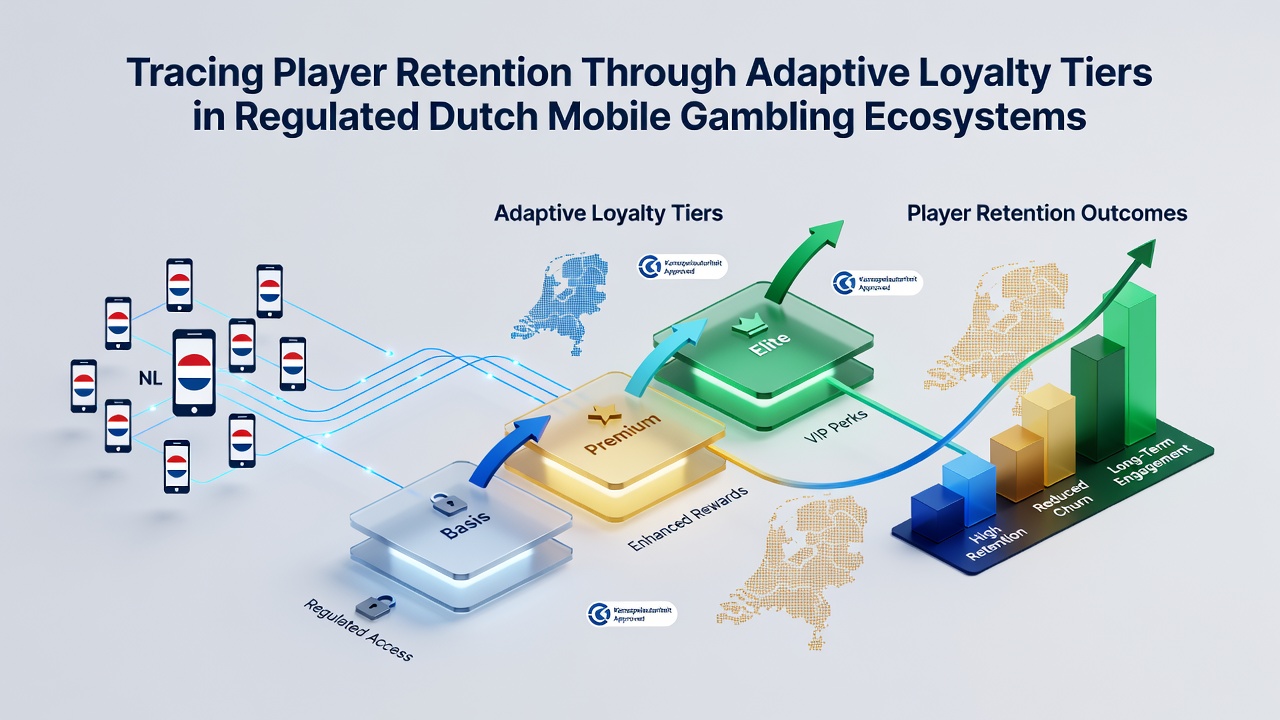
Regulated mobile gambling platforms in the Netherlands rely on adaptive loyalty tiers to track and improve player retention, with operators adjusting rewards based on individual betting patterns and session data. These systems integrate real-time analytics that shift tier benefits as player activity changes, and data from the sector shows consistent use of such mechanisms since the legalization framework took full effect.
Structuur van Adaptieve Loyaliteitstiers
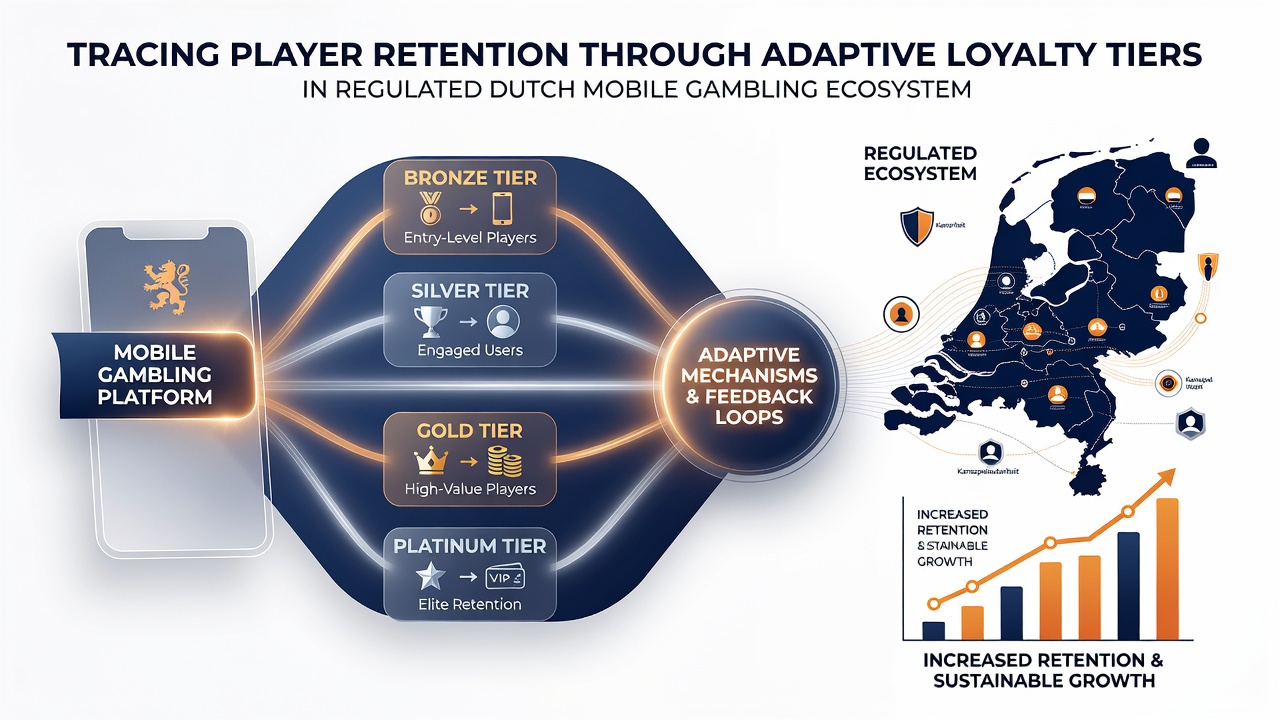
Operators divide players into tiers that evolve according to metrics like deposit frequency, game variety and total wager volume, while algorithms recalculate status weekly or monthly. This approach allows tiers to respond directly to behavior instead of relying on fixed milestones, and researchers have noted that the flexibility helps maintain engagement across different player segments. In augustus 2026 verschenen nieuwe rapporten die de impact van deze dynamische systemen op retentiecijfers kwantificeerden.
Technische Implementatie in Mobiele Apps
Mobile applications collect telemetry on login times, game preferences and spend velocity, then feed this information into tier-adjustment engines that update user profiles automatically. Developers integrate these engines with existing payment gateways so that rewards such as bonus credits or exclusive table access activate without manual intervention. Studies indicate that seamless integration reduces friction and supports longer session durations across licensed Dutch platforms.
Gegevensverzameling en Privacyregels
Under the Dutch regulatory regime, operators must anonymize and secure retention data while complying with GDPR requirements, which limits how personal identifiers link to tier calculations. External audits verify that adaptive systems do not store unnecessary location or device details, and figures reveal that compliance audits increased in frequency after 2025. One industry report from the European Gaming and Betting Association outlines standardized protocols that Dutch licensees adopted to align with these rules.
Invloed op Retentiecijfers
Retention analytics track how players move between tiers and whether they return after receiving adjusted rewards, with operators comparing cohort performance before and after system updates. Data shows that adaptive tiers correlate with higher repeat visit rates among mid-level players, whereas static programs exhibit flatter curves. Observers note that the difference becomes visible within three to six months of implementation, and cross-platform comparisons help refine the algorithms further.
Voorbeelden van Toepassing bij Gereguleerde Aanbieders
Take one operator who adjusted its silver tier to include personalized slot tournaments after analyzing drop-off patterns, and the change led to measurable increases in weekly active users. Another case involved a live-dealer provider that introduced dynamic cashback rates based on recent loss streaks, resulting in extended play periods without violating spending limits. These adjustments demonstrate how tier mechanics respond to specific retention challenges while staying within legal boundaries.
Toekomstige Ontwikkelingen
Industry organizations continue to explore machine-learning refinements that predict tier migration several weeks ahead, allowing preemptive reward offers. Academic research from institutions in Canada and Australia examines similar systems in other jurisdictions, providing comparative benchmarks that Dutch operators reference during system upgrades. The focus remains on balancing retention goals with responsible-gaming safeguards embedded in the adaptive logic.
Conclusie
Adaptive loyalty tiers form a core component of player-retention strategies within the regulated Dutch mobile gambling sector, supported by continuous data flows and regulatory oversight. The mechanisms adjust in response to observed behavior, and available statistics confirm their role in sustaining engagement across licensed platforms. As technology evolves, operators maintain these systems in line with privacy standards and market requirements that apply in augustus 2026 and beyond.